
The Proper Conduct of Marriage in Islam: Adab al-Nikah
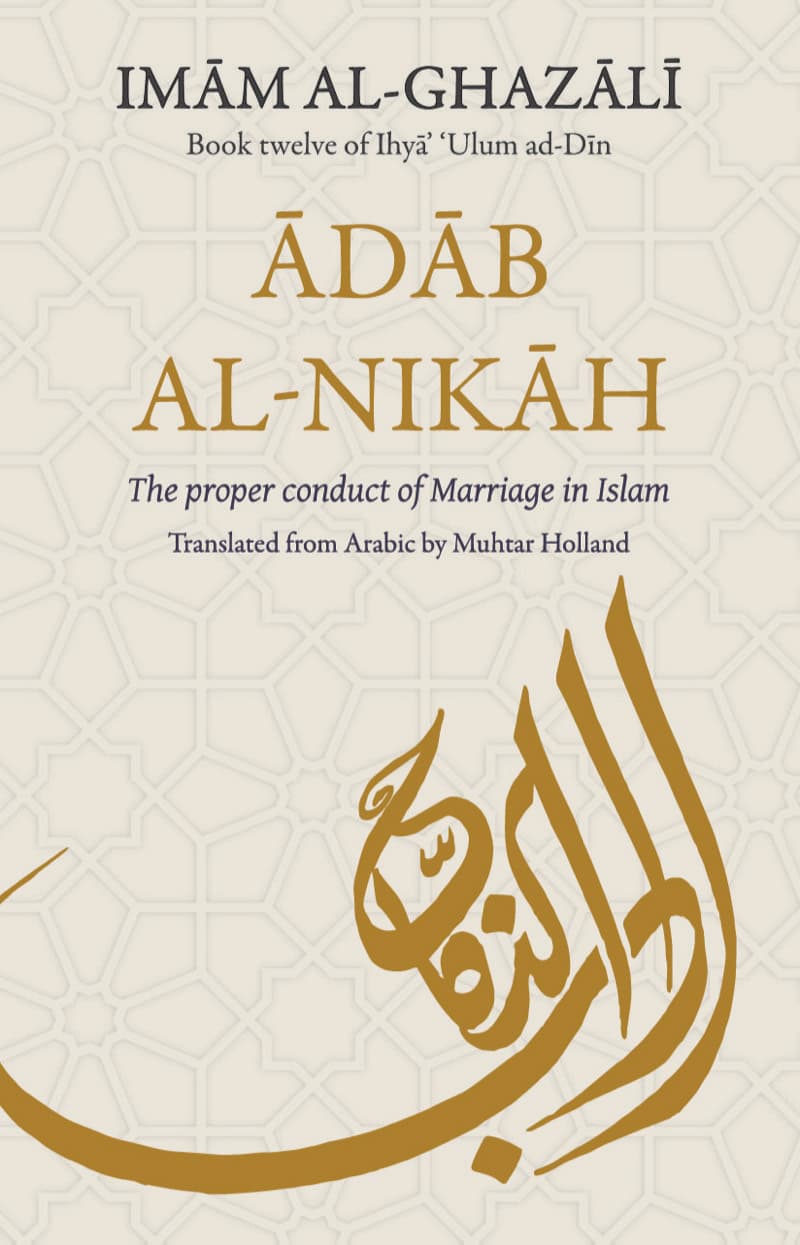
Extracted from Book Twelve of Imām Al-Ghazālī’s monumental work Iḥyā’ ‘Ulūm ad-Dīn and translated into English by Muhtar Holland, Ādāb Al-Nikāḥ examines marriage not merely as a legal contract, but as a crucial spiritual discipline and avenue of worship.
Al-Ghazālī views marriage as a means of aiding religion, channeling human desires into sacred frameworks, and fostering spiritual growth through domestic responsibility.
1. Merits and Disadvantages of Marriage
Al-Ghazālī analyzes the classical debate on whether devotion to celibacy or entering marriage is superior for spiritual seekers.
He outlines five primary benefits of marriage—procreation, stilling sexual passion, good housekeeping, extending family ties, and spiritual discipline through patience—balanced against potential drawbacks like the struggle to earn a lawful livelihood or manage domestic burdens.
2. The Marriage Contract & Spouse Selection
The text discusses the legal requirements of the marriage contract, ideal qualities to seek in a partner, and prophetic guidelines for selecting a suitable bride and groom.
Emphasis is placed on religious character, piety, and compatible values over fleeting worldly considerations.
3. Conjugal Life & Mutual Rights
Al-Ghazālī details the practical etiquette of married life, focusing on the duties of the husband toward his wife, the rights of the husband, gentle companionship, and maintaining domestic harmony within the household.
4. Final Verdict
This classic text serves as a timeless guide for anyone seeking a holistic understanding of Islamic matrimony. Imām Al-Ghazālī seamlessly combines practical legal etiquette with profound spiritual wisdom, making it an essential read for building a harmonious, purpose-driven marriage grounded in faith.