
Islamic Law and the Orientalists: A Defense of Divine Jurisprudence
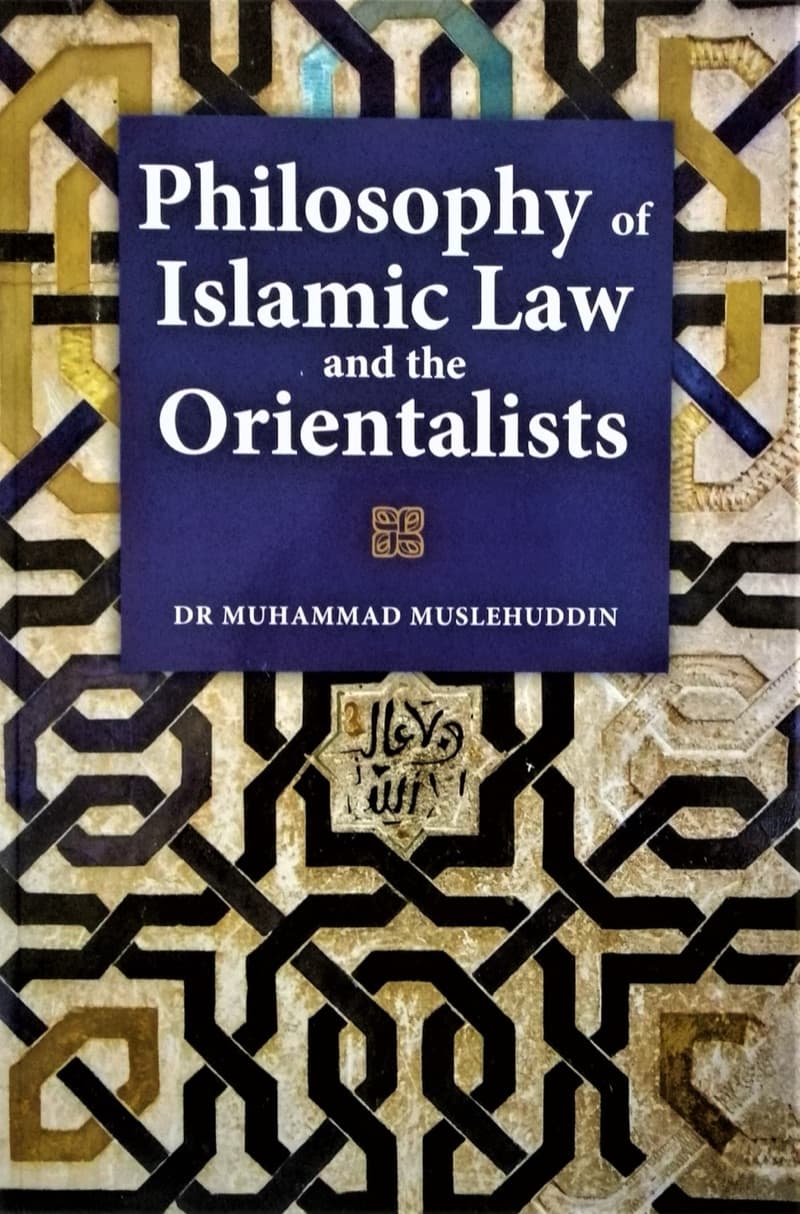
In an era where Islamic jurisprudence sits at a critical tension point between strict orthodox adherence to revelation and modernist pushes for liberal re-interpretation, Dr. Muhammad Muslehuddin presents a grounded, academically rigorous evaluation of divine law.
The core thesis argues that divine law serves as an objective standard for distinguishing right from wrong—one that cannot simply be subjected to the changing whims of human reason, but must be preserved in its authentic, ideal form.
1. Theory & General Law
The work establishes foundational philosophical concepts, examining metaphysics, epistemology, natural law (from Greek thinkers to modern concepts), and positive law.
It critically analyzes the legal positivisms of John Austin, Hans Kelsen, and pragmatic positivism, contrasting human-devised legal frameworks with the immutable divine moral order.
2. Distinctive Features of Islamic Law
Dr. Muslehuddin explores legal sovereignty, historical developments from the Prophetic era through the Abbasid period, and core methodologies of jurisprudence.
The book details foundational principles including Ijtihād, Qiyās (analogical deduction), Ijmā‘ (scholarly consensus), Istiḥsān (juristic preference), and Al-Maṣāliḥ Al-Mursalah (public interest/welfare).
3. Critique of Orientalism & Modernism
The text rigorously evaluates Western scholarship and contemporary reform movements, specifically addressing academic conflicts raised by scholars like Noel Coulson and Malcolm Kerr regarding revelation versus human reason.
It defends the internal coherence and divine authority of the Shari'ah against reductionist historical-critical interpretations.
4. Comparative Legal Systems
The author provides a comparative analysis against major world legal traditions, demonstrating how Islamic law harmonizes spiritual ethics with practical civil legislation.
5. Final Verdict
This work is an essential read for students, academics, and readers of legal philosophy seeking to understand the unique structural identity of the Shari'ah. By balancing classical Islamic legal methodology (Uṣūl al-Fiqh) with comparative Western jurisprudence, Dr. Muslehuddin offers a clear, structured defense of divine revelation's role in contemporary legal frameworks.