
Understanding Usul al-Fiqh: The Methodology & Principles Behind Islamic Rulings
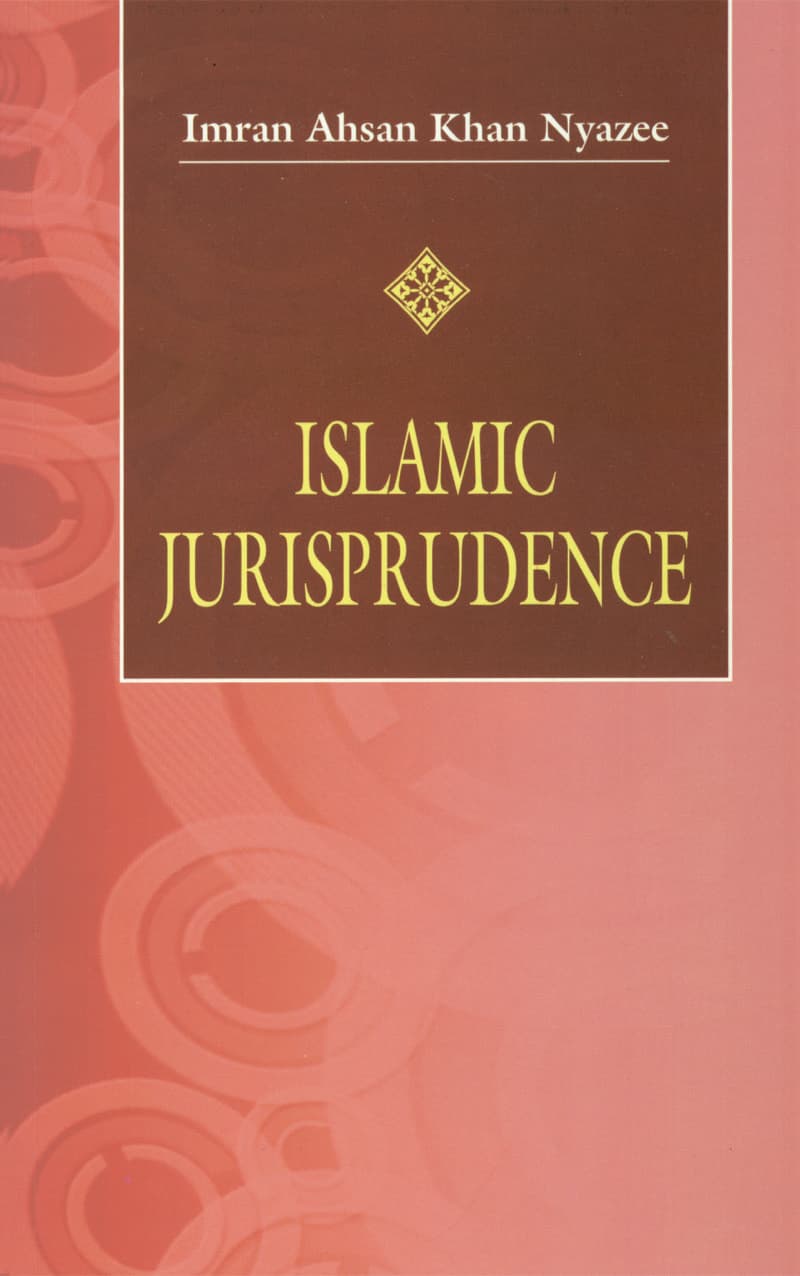
Why do classical jurists occasionally arrive at different valid opinions on the same secondary issue while agreeing completely on the core pillars of Islam? The answer lies in Usul al-Fiqh—the rigorous science of Islamic legal methodology that governs how rulings (ahkam) are derived from divine revelation.
Studying Usul al-Fiqh transforms how a Muslim reads both classical legal manuals and contemporary fatwas: instead of seeing isolated rules, you begin to appreciate the coherent architecture of evidence, linguistic precision, and moral objectives (Maqasid al-Shari'ah) that underpin Islamic law.
1. The Sources of Law: Qur'an, Sunnah, Ijma', and Qiyas
At the heart of Usul al-Fiqh are the four universally recognized proofs: the Qur'an, the authentic Sunnah of the Prophet ﷺ, scholarly consensus (Ijma'), and analogical deduction (Qiyas). Beyond these, classical schools developed refined supplementary tools—such as Istihsan (juristic preference) and Maslahah Mursalah (public welfare)—to ensure the Shari'ah addresses novel human circumstances without compromising divine authority.
2. Applied Jurisprudence: Commercial Contracts, Evidence & Criminal Law
For law students, Shariah advisors, and researchers, pairing foundational legal theory with specialized treatises on Islamic commercial transactions (Fiqh al-Mu'amalat), rules of evidence, and judicial procedure demonstrates how classical principles operate in real courts and financial institutions.